Introduction
One of the most exciting aspects of being a digital nomad is the freedom to choose where to live and work. Unlike traditional lifestyles tied to a single location, nomads can design their environment to match their preferences, productivity needs, and personal goals.
Yet with so many options available, the decision often comes down to three broad categories: beach destinations, bustling cities, or mountain retreats. Each offers unique advantages and challenges, and the right choice depends on how well the environment aligns with your lifestyle, work habits, and long-term aspirations.
The Appeal Of Beach Destinations
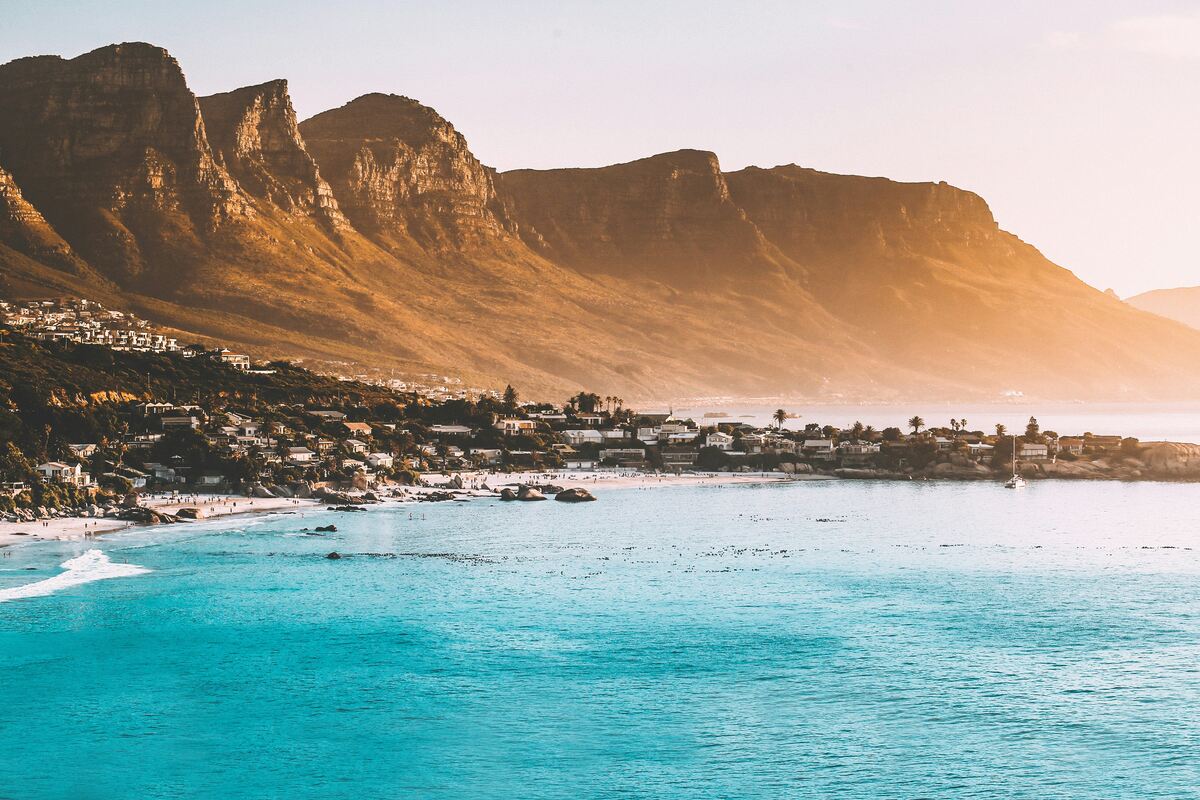
Beach destinations are often the first image that comes to mind when people think of the nomadic lifestyle. The idea of working from a hammock, listening to waves, and enjoying sunsets after a day of remote work is undeniably appealing. Beaches offer a relaxed atmosphere that can reduce stress and encourage a slower pace of life. For nomads who value wellness, outdoor activities, and a sense of calm, coastal living provides opportunities for swimming, surfing, yoga, and long walks along the shore. The climate in many beach destinations is warm and sunny, which can boost mood and energy levels.
However, beach living also comes with challenges. Internet reliability may be inconsistent in smaller coastal towns, and infrastructure can vary widely. While popular nomad hubs such as Bali, The Canary Islands, or Phuket have developed strong coworking cultures, more remote beaches may lack the facilities needed for sustained productivity. Cost of living can also fluctuate, with tourist-heavy areas charging premium prices during peak seasons. For nomads who thrive on structure and need reliable connectivity, beach destinations may require careful planning to balance leisure with work.
The Energy Of City Life
Cities offer a completely different environment, one defined by energy, opportunity, and constant activity. For nomads who thrive on collaboration, networking, and cultural stimulation, cities provide endless possibilities. Urban centers such as Berlin, Lisbon, or Madrid are known for their coworking spaces, entrepreneurial ecosystems, and vibrant communities of remote workers. Cities also offer reliable infrastructure, including high-speed internet, public transportation, and healthcare facilities, which can make daily life smoother and more predictable.
The cultural richness of cities is another major advantage. Museums, theaters, restaurants, and festivals provide opportunities for exploration and inspiration. For nomads who enjoy variety and stimulation, cities ensure that no two days feel the same. Professional growth is often easier in urban environments, where networking events and industry meetups are common.
Yet city life can also be demanding. The fast pace, noise, and crowds may overwhelm nomads who prefer calm and solitude. Costs are often higher, particularly in major capitals, and housing can be competitive. Balancing work and leisure requires discipline, as the abundance of distractions can make it difficult to maintain focus. For nomads who thrive in dynamic environments and enjoy being part of a larger community, cities are an excellent choice, but they may not suit those seeking peace and simplicity.
The Tranquility Of Mountain Retreats
Mountains offer a third option, one defined by tranquility, natural beauty, and opportunities for reflection. For nomads who value solitude, deep focus, and connection to nature, mountain destinations provide an ideal environment. Locations such as Chiang Mai in Thailand, Medellín in Colombia, or smaller towns in the Alps combine scenic landscapes with growing nomad communities. The slower pace of mountain living encourages mindfulness and balance, making it easier to sustain long-term productivity without burnout.
Mountains also provide unique lifestyle benefits. Hiking, skiing, and outdoor exploration are readily available, supporting physical health and mental well-being. The cooler climate can be refreshing compared to tropical beaches or crowded cities, and the natural surroundings often inspire creativity. For nomads engaged in writing, design, or other creative pursuits, mountains can provide the quiet needed for deep work.
Challenges exist here as well. Infrastructure may be less developed in remote mountain towns, and access to airports or major transportation hubs can be limited. Healthcare facilities may not be as advanced as those in cities, and internet reliability can vary. Social opportunities may also be fewer, which can lead to isolation if community is important. For nomads who prioritize peace, focus, and nature, mountains are an excellent fit, but they require preparation to ensure that practical needs are met.
Matching Environment To Work Style
The choice between beach, city, or mountains can also depends on your work style. Nomads who thrive on collaboration and networking may find cities most supportive, as they provide access to communities, events, and professional opportunities. Those who prefer independence and solitude may gravitate toward mountains, where quiet environments allow for deep focus. Nomads who value balance, wellness, and relaxation may choose beaches, where the slower pace supports mindfulness and physical health.
Understanding your work habits is key. If you need constant stimulation and variety, cities may energize you. If you prefer calm and reflection, mountains may provide the environment you need. If you seek relaxation and wellness, beaches may align with your goals. Matching environment to work style ensures that your nomadic journey supports both productivity and personal fulfillment.
Practical Considerations
Beyond lifestyle preferences, practical factors play a critical role in choosing a base. Cost of living varies widely, with beach towns often more affordable than major cities, though tourist-heavy areas can be expensive. Internet reliability is essential, and cities generally provide the strongest infrastructure, while beaches and mountains may require research and backup plans.
Visa options also shape decisions, as some countries offer digital nomad visas that allow longer stays. Safety, healthcare, and accessibility are equally important, ensuring that your chosen environment supports sustainability.
Balancing Work And Lifestyle
Nomadic living is about balance. Choosing a base is not only about productivity but also about how the environment supports your overall lifestyle. Beaches encourage relaxation and wellness, cities provide stimulation and opportunity, and mountains foster focus and reflection.
The right choice depends on how you want to balance work with leisure, community with solitude, and stimulation with calm. Many nomads experiment with different environments, spending months in each to discover what fits best. Flexibility is key, as preferences may evolve over time.
Conclusion
Choosing between beach, city, or mountains is one of the most important decisions in nomadic living. Each environment offers unique advantages and challenges, and the right choice depends on your work style, lifestyle goals, and practical needs. Beaches provide relaxation and wellness, cities offer energy and opportunity, and mountains deliver tranquility and focus.
By aligning your environment with your values and habits, you can create a nomadic journey that supports both professional success and personal fulfillment. Ultimately, the best base is the one that allows you to thrive, balancing productivity with joy and ensuring that your nomadic life is both sustainable and meaningful.
Powered by Co-Pilot. Curated & Edited By The Digital Life Tribe.