Introduction
The Greek Islands have long been synonymous with beauty, history, and relaxation. For digital nomads, they offer something more: a chance to combine remote work with a lifestyle shaped by sunlit beaches, whitewashed villages, and vibrant local traditions.
With over 200 inhabited islands, each with its own character, nomads can choose between bustling hubs like Santorini and Mykonos or quieter retreats such as Naxos, Paros, and Crete. The islands provide both inspiration and infrastructure, making them an increasingly attractive destination for those who live and work on the move.
Housing And Essentials
Living in the Greek Islands varies depending on location. Popular tourist destinations such as Santorini or Mykonos are more expensive, with one-bedroom apartments costing between $1,000 and $1,500 per month. Quieter islands like Naxos, Paros, or Rhodes offer more affordable options, ranging from $600 to $900.
Shared flats or guesthouses can reduce costs further, often to $400–$600. Groceries average $40 to $60 per week, especially if you shop at local markets for fresh produce, olive oil, and cheese. Dining out is accessible, with traditional meals costing $10 to $15, and café snacks even less.
Work And Leisure Costs
Coworking spaces are growing across the islands, particularly in Crete, Santorini, and Rhodes, with memberships ranging from $120 to $200 per month. Internet is reliable in most towns, though smaller islands may have slower speeds, making mobile data packages (around $20 per month) a useful backup. Public transport varies: buses are common in larger islands, while scooters or bicycles are popular for short distances.
Leisure activities add variety: museum entry fees are usually under $10, boat trips cost $20 to $50, and guided hikes or cultural tours are affordable. A comfortable monthly budget for nomads in the Greek Islands typically falls between $1,200 and $1,800, depending on lifestyle choices and island selection.
Attractions And Activities
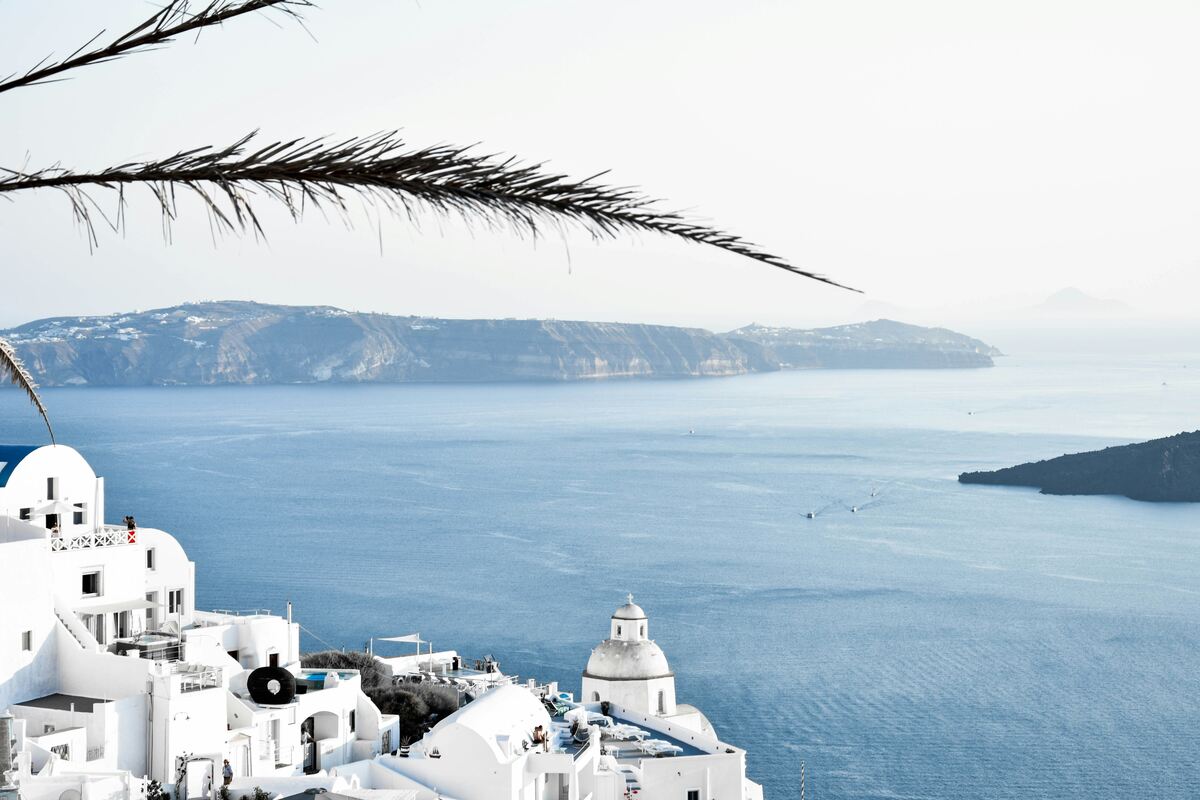
The Greek Islands are rich in experiences that blend history, nature, and leisure. Santorini offers iconic sunsets over the caldera, while Crete boasts ancient Minoan ruins at Knossos and rugged mountain trails. Rhodes combines medieval architecture with sandy beaches, and Naxos is known for its traditional villages and fertile landscapes.
Island-hopping is a highlight, with ferries connecting destinations across the Aegean and Ionian seas. Whether it’s exploring archaeological sites, hiking coastal paths, or enjoying beachside cafés, the islands provide endless opportunities for adventure and relaxation.
Museums And Cultural Heritage
The islands are home to museums that reflect their diverse histories. The Archaeological Museum of Santorini showcases artifacts from the Bronze Age, while the Palace of the Grand Master in Rhodes highlights medieval heritage.
Crete’s Heraklion Archaeological Museum houses treasures from the Minoan civilization, and smaller local museums across the islands preserve folk traditions and crafts. These institutions provide insight into the islands’ role in shaping Mediterranean culture.
Lifestyle Tips For Nomads
Life in the Greek Islands encourages balance. Café culture is strong, and many nomads work from terraces overlooking the sea. English is widely spoken, though learning basic Greek phrases helps build rapport. The pace of life is slower than in mainland cities, yet the islands remain dynamic, with frequent festivals, markets, and cultural events.
Seasonal awareness is important: summers are lively but crowded, while spring and autumn provide mild weather and fewer tourists. Winter is quieter, with some islands experiencing reduced services, making larger islands like Crete or Rhodes better suited for year-round living. Choosing neighborhoods outside tourist-heavy centers provides quieter living while still being close to attractions.
Authenticity And Connection
The Greek Islands retain a strong sense of tradition despite their popularity. Family-run tavernas, local markets, and village festivals are central to daily life. For nomads, building connections is part of the experience. Joining coworking spaces or attending networking events is a straightforward way to meet fellow remote workers. Language exchanges, often hosted in cafés or bars, provide opportunities to practice Greek while meeting locals and other expats.
Nomads often find community through informal activities: joining sailing trips, participating in cooking classes, or attending live music nights. Social media groups and platforms like Meetup, Facebook, WhatsApp have people who regularly organize gatherings, making it easier to connect.
The islands are places where mornings can be spent working in a coworking hub, afternoons wandering through ancient ruins or beaches, and evenings enjoying traditional music or watching the sunset over the Aegean.
Visa Tips For Digital Nomads
Greece is part of the Schengen Zone, meaning many travelers can stay for up to 90 days within a 180-day period without a visa. For longer stays, Greece has introduced a Digital Nomad Visa, allowing remote workers to live in the country for up to one year, renewable, provided they meet minimum income requirements and work remotely for companies outside Greece.
EU citizens can live and work freely without restrictions. Visa planning is an essential part of nomad life, and Greece’s policies make the islands an attractive option for extended stays.
Conclusion
The Greek Islands are positioning themselves as one of the most compelling destinations for digital nomads. With their stunning landscapes, historic sites, and growing coworking scene, they offer a lifestyle that is both practical and inspiring.
For those who want to live in a place that combines tradition with modernity, the islands provide a unique home base for remote work and exploration.
Powered by Co-Pilot. Curated & Edited By The Digital Life Tribe.