Introduction
The rise of remote work and digital nomadism has opened up possibilities for professionals to choose their home base not only based on personal preference but also on how well a city supports their work style. Some individuals thrive in fast-paced environments filled with constant stimulation, while others prefer slower rhythms that allow for deep focus and reflection.
Matching your work style to the right city can significantly improve productivity, enhance well-being, and create a more sustainable lifestyle. Understanding your work style and aligning it with the characteristics of different cities is the foundation of building a nomadic life that works for you.
Understanding Your Work Style
Before choosing a city, it is essential to understand your own work style. Work style refers to the way you approach tasks, manage time, and interact with others. Some people thrive on collaboration, brainstorming, and frequent interaction, while others prefer working independently, focusing deeply without interruptions. Certain individuals value structured routines, clear schedules, and predictable environments, while others adapt easily, enjoy variety, and prefer less rigid structures.
There are those who excel in fast-paced, dynamic environments with constant activity, and others who prefer calm settings that allow for thoughtful progress. Identifying your dominant style helps clarify what kind of environment will support your productivity and satisfaction, and it ensures that the city you choose complements rather than conflicts with your natural tendencies.
Different Cities Support Different Work Styles
Fast-paced workers excel in environments with high intense energy and momentum. Major metropolitan areas such as New York, London, or Shanghai provide constant activity, networking opportunities, and professional challenges. These cities suit individuals who draw energy from busy environments and thrive under pressure. Fast-paced workers benefit from destinations where opportunities are abundant and competition is high, pushing them to perform at their best and keeping them motivated through the constant buzz of activity.
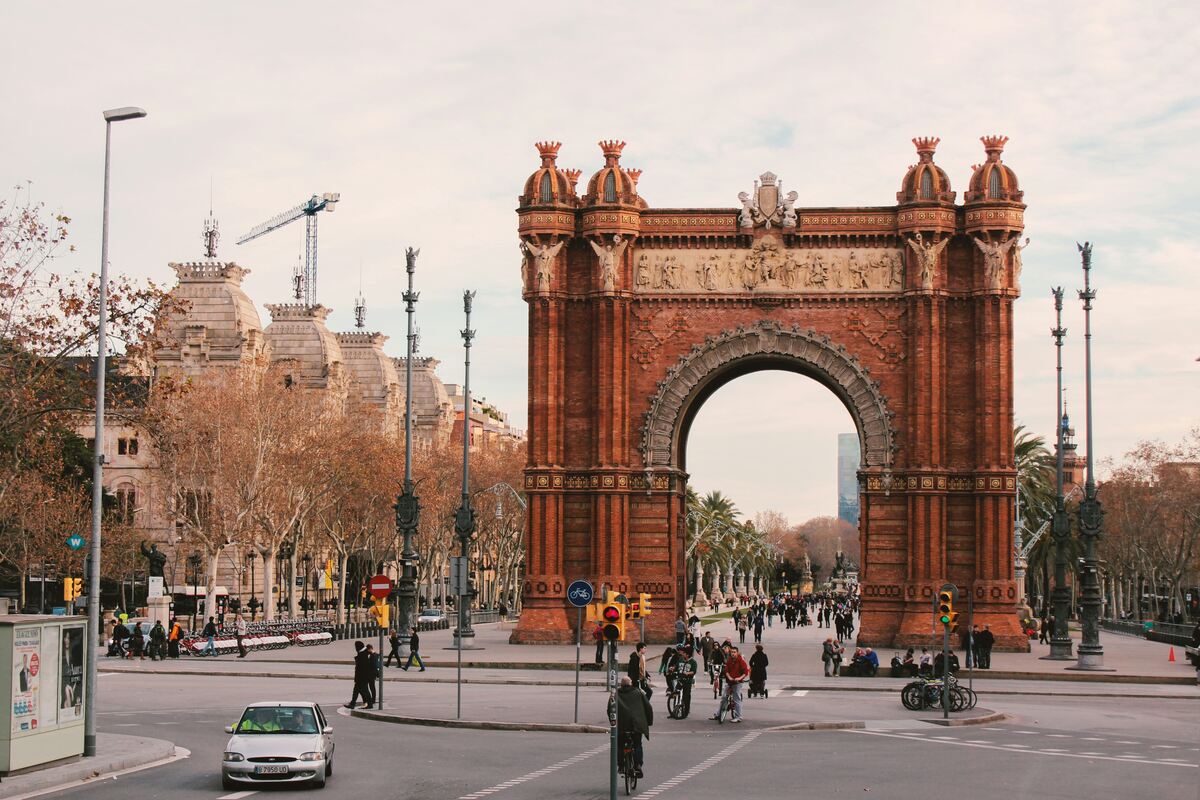
Flexible workers enjoy variety and adapt easily to change, making them well-suited to smaller, lived-in cities with diverse cultural offerings, dynamic neighborhoods, and opportunities for exploration. Barcelona, Buenos Aires, and Istanbul are examples of cities that provide constant stimulation and variety. Flexible workers thrive in environments where each day can look different, with opportunities to explore new cafés, attend cultural events, or shift between coworking spaces. These cities allow flexible workers to embrace spontaneity while still maintaining productivity.
Slow and steady workers prefer calm environments that allow for thoughtful progress. They tend to be independent workers that often prefer quieter environments that minimize distractions and allow for deep focus. Smaller cities or towns with slower rhythms can be ideal for this type of work style. Chiang Mai in Thailand, Porto in Portugal, or Ljubljana in Slovenia offer affordable living, reliable internet, and peaceful surroundings. Other cities such as Kyoto, Valencia, or Tbilisi also provide slower rhythms, cultural richness, and affordable living. These destinations support individuals who value balance, reflection, and steady productivity.
Cities That Support Collaborative Work Styles
If you thrive on collaboration, you will likely find yourself most productive in cities with strong coworking cultures and vibrant professional communities. These are slightly larger cities that also have a hub of cultural activity. Berlin, Lisbon, and Madrid are examples of places known for their coworking spaces, networking events, and entrepreneurial ecosystems and cultural wonder. These environments provide opportunities to meet like-minded professionals, exchange ideas, and build partnerships.
Collaborative workers benefit from cities that foster community and provide spaces where interaction is encouraged, as the energy of others fuels their creativity and productivity. These destinations allow collaborative workers to concentrate fully while still providing access to cultural experiences.
An example: consider the collaborative entrepreneur in Berlin, who thrives in the city’s coworking culture and startup ecosystem. Networking events and creative communities provide constant opportunities for growth. Contrast this with the steady and independent writer in Madeira, who benefits from the city’s slower pace, affordable living, and scenic surroundings that support solitude and deep focus. Both cities offer opportunity but opportunity is shaped by the worker, their interest, their needs, and wants.
The Structured Work Style
Structured workers thrive in environments with reliable infrastructure, predictable routines, and clear systems. Cities such as Singapore, Tokyo, or Zurich provide efficiency, safety, and strong public services that align well with this work style. These destinations support individuals who value order and consistency, offering transportation systems that run on time, coworking spaces that are well-organized, and daily life that follows a reliable rhythm. For structured workers, these cities provide the stability and predictability needed to maintain productivity and peace.
An example: consider, the structured consultant in Singapore that finds alignment with the city’s efficiency, safety, and strong infrastructure, while also enjoying culture interactions and routined days. He or she might also enjoy the rhythm of Munich or Paris that have similar structure and small, integrated cultural touch points. This is another example that illustrates how someone's work style can reflect their rhythms and priorities.
Practical Factors To Consider
Beyond aligning work style with city culture, practical factors play a critical role in choosing the right base. Affordability ensures sustainability, so nomads and remote workers should evaluate rent, food, transportation, and coworking costs before committing to a city. Reliable internet and infrastructure are essential for all work styles, making it important to research average speeds, coworking availability, and mobile data coverage.
Legal frameworks also shape the rhythm of nomadic life, with countries offering digital nomad visas providing stability for longer stays. Safety and access to healthcare are essential for peace of mind, while accessibility through airports and regional connections matters for those who travel frequently. Considering these practical factors alongside work style ensures that the chosen city supports both professional and personal needs.
Tips For Matching Work Style To City
Matching your work style to the right city requires self-awareness and experimentation. Conducting a self-assessment of your work habits, energy levels, and preferences helps clarify what environments will support you best. Testing cities with short stays of one to three months allows you to evaluate whether a location truly aligns with your work style before committing long-term.
Balancing work and lifestyle is also important, as the city should support not only productivity but also leisure, wellness, and cultural engagement. Finally, staying flexible is key, as work styles may evolve over time, and a city that suits you now may not be ideal later. Remaining open to revisiting your choices ensures that your nomadic journey continues to align with your needs.
Conclusion
Matching your work style to the right city is a strategic decision that enhances productivity, well-being, and sustainability. Collaborative workers thrive in cities with strong communities, independent workers benefit from quieter environments, structured workers prefer efficient systems, flexible workers enjoy variety, fast-paced workers excel in dynamic hubs, and slow and steady workers find balance in calmer destinations.
Practical factors such as cost of living, infrastructure, visas, safety, and accessibility further shape the decision. By understanding your work style and aligning it with the characteristics of different cities, you can create a nomadic lifestyle that supports both professional success and personal fulfillment.
Powered by Co-Pilot. Curated & Edited By The Digital Life Tribe.