Introduction
Morocco, perched at the crossroads of Africa, Europe, and the Middle East, has become an increasingly attractive destination for digital nomads. Known for its vibrant souks, desert landscapes, and coastal cities, Morocco offers a lifestyle that blends affordability with cultural richness.
With reliable infrastructure in major cities, growing coworking spaces, and a welcoming atmosphere, it provides both inspiration and practicality for remote workers seeking a base in North Africa.
Housing And Essentials
Morocco is more affordable than many European destinations. Renting a one-bedroom apartment in cities such as Marrakech, Casablanca, or Rabat typically costs between $400 and $700 per month, while shared flats or rooms can be found for $250 to $400.Smaller towns and coastal areas like Essaouira or Chefchaouen may be even cheaper.
Groceries average $25 to $40 per week, especially if you shop at local markets for fresh produce, bread, and spices. Dining out is accessible, with traditional meals costing $5 to $10, and café snacks even less.
Work And Leisure Costs
Coworking spaces are emerging in Marrakech, Casablanca, and Rabat, with memberships ranging from $80 to $150 per month. Internet is reliable in urban areas, though rural villages may have slower speeds. Mobile data packages cost around $10 to $15.
Public transport is inexpensive, with buses and trains connecting cities for just a few dollars per ride. Leisure activities add variety: museum entry fees are usually under $5, guided tours of medinas cost $20 to $40, and excursions to the Sahara or Atlas Mountains are affordable. A comfortable monthly budget for nomads in Morocco typically falls between $900 and $1,300, depending on lifestyle choices.
Attractions And Activities
Morocco is rich in experiences that blend history and natural beauty. Marrakech dazzles with its bustling souks and the Jardin Majorelle. Fes offers one of the world’s oldest universities and a labyrinthine medina. Casablanca combines modernity with tradition, while Rabat provides coastal charm and historic sites.
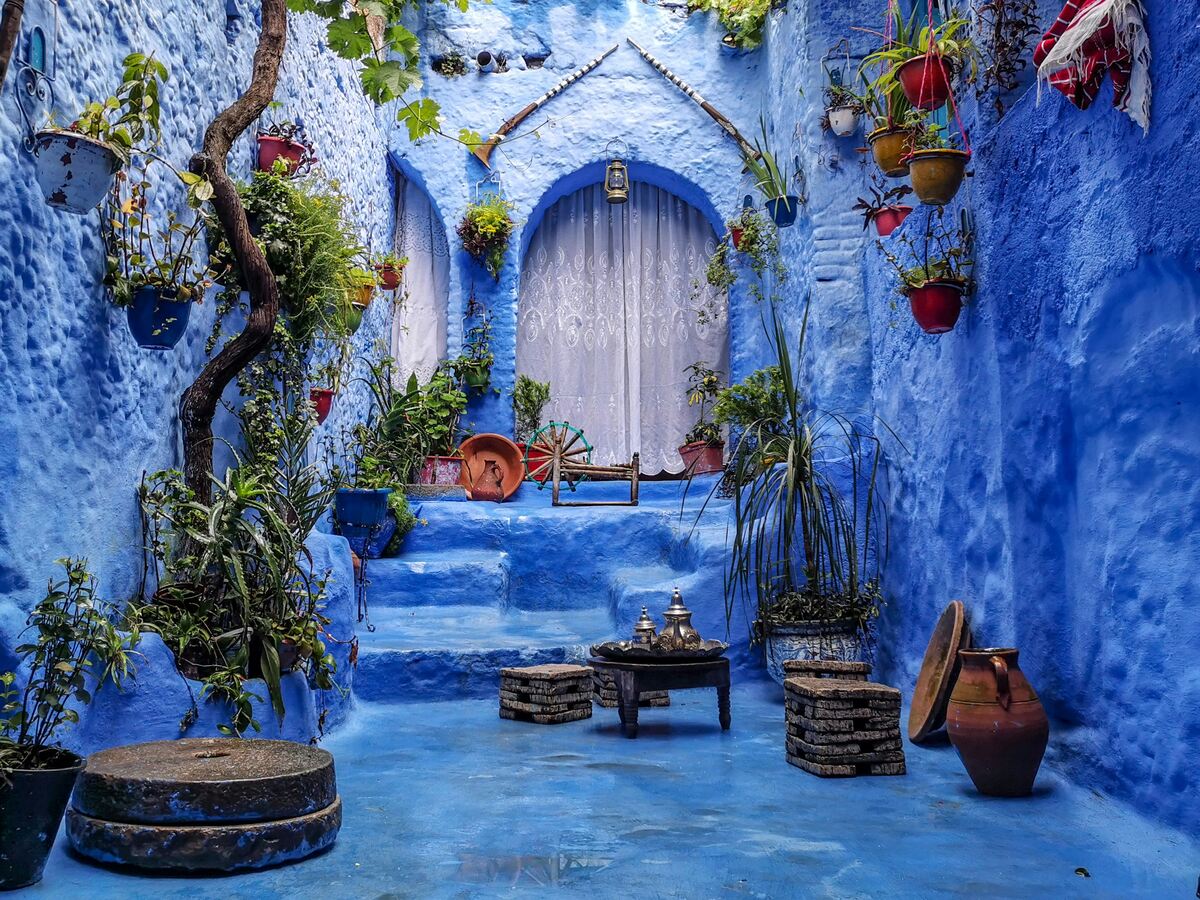
Essaouira is known for its relaxed vibe and Atlantic beaches, while Chefchaouen enchants with its blue-painted streets. Day trips to the Atlas Mountains or overnight treks into the Sahara Desert provide unforgettable adventures.
Museums And Cultural Heritage
Morocco’s museums highlight both its history and creativity. The Marrakech Museum showcases Moroccan art and artifacts, while the Museum of Moroccan Judaism in Casablanca reflects the country’s diverse heritage.
The Dar Batha Museum in Fes houses traditional crafts, and smaller local museums across towns preserve folk traditions. These institutions provide opportunities to deepen understanding of Morocco’s cultural richness.
Lifestyle Tips For Nomads
Morocco encourages a lifestyle that balances productivity with leisure. Café culture is strong, and many nomads work from terraces while enjoying mint tea. English is increasingly spoken among younger locals, but learning basic Arabic or French phrases helps build rapport.The pace of life is slower than in larger European cities, yet Morocco remains dynamic, with frequent festivals, markets, and cultural events.
Seasonal awareness is important: summers can be hot, especially inland, while spring and autumn provide mild weather and fewer tourists. Winter is cooler, particularly in mountain regions, but coastal cities remain pleasant.
Authenticity And Connection
Morocco retains a strong sense of tradition despite its growing popularity. Family-run restaurants, local markets, and village festivals are central to daily life. For nomads, building connections is part of the experience. Joining coworking spaces or attending networking events is a straightforward way to meet fellow remote workers. Language exchanges, often hosted in cafés or cultural centers, provide opportunities to practice Arabic or French while meeting locals and other expats. Volunteering at cultural festivals or community projects can also foster deeper ties.
Nomads often find community through informal activities: joining cooking classes to learn Moroccan cuisine, participating in desert treks, or attending live music nights. Social media groups and platforms like Meetup or Internations regularly organize gatherings, making it easy to connect.
Even casual interactions—sharing a table at a café, chatting with neighbors at the market, or joining a surf class in Essaouira—can lead to friendships. Morocco is a place where mornings can be spent working in a coworking hub, afternoons wandering through historic medinas or mountain trails, and evenings enjoying traditional music or watching the sunset over the Sahara.
Visa Tips For Digital Nomads
Morocco offers relatively flexible entry policies. Many travelers can stay for up to 90 days without a visa, depending on nationality. For longer stays, Morocco provides options for temporary residence permits, though it does not yet have a dedicated digital nomad visa.
EU citizens and many others can enter freely but must follow local rules for extended stays. Visa planning is an essential part of nomad life, and Morocco’s policies make it an attractive option for extended stays outside the Schengen Zone.
Conclusion
Morocco is positioning itself as one of North Africa’s premier destinations for digital nomads. With its stunning landscapes, historic towns, and growing coworking scene, it offers a lifestyle that is both practical and inspiring.
For those who want to live in a place that combines tradition with modernity, Morocco provides a compelling home base for remote work and exploration.
Powered by Co-Pilot. Curated & Edited By The Digital Life Tribe.