Introduction
Mozambique, stretching along the southeastern coast of Africa, is a country of dazzling contrasts. With turquoise waters, palm-fringed beaches, bustling markets, and a rich cultural heritage, it is quietly emerging as a destination for digital nomads who crave adventure beyond the usual hubs.
While Bali, Lisbon, and Cape Town often dominate nomad itineraries, Mozambique offers something different: a blend of affordability, authenticity, and natural beauty that feels both untapped and inspiring. For remote workers seeking a base where the rhythm of the ocean meets the energy of African cities, Mozambique is a place where work and wanderlust can coexist seamlessly.
Budget Breakdown
Mozambique is generally more affordable than many Western destinations, though costs vary depending on location. Renting a one-bedroom apartment in Maputo, the capital, typically costs between $400 and $700 per month, while shared flats or rooms can be found for $250 to $400.
Smaller coastal towns such as Vilankulo or Pemba may be cheaper, though options are more limited. Groceries average $25 to $40 per week, especially if you shop at local markets for fresh produce, rice, and seafood. Dining out is accessible, with traditional meals costing $5 to $10 and café snacks even less.
Coworking spaces are emerging in Maputo, with memberships ranging from $80 to $150 per month, offering reliable internet and community. Public transport is inexpensive, though many nomads rely on minibuses or taxis, and renting cars for longer trips adds flexibility. A comfortable monthly budget for nomads in Mozambique typically falls between $900 and $1,300, depending on lifestyle choices, making it competitive compared to Europe or North America.
Fun Things to Do
Mozambique is a land of adventure, offering experiences that range from coastal escapes to cultural immersion. The Bazaruto Archipelago, with its pristine beaches and coral reefs, is perfect for diving, snorkeling, and sailing. Vilankulo serves as the gateway to these islands, offering a relaxed atmosphere and vibrant local culture. Maputo, the capital, is lively and cosmopolitan, with bustling markets, art galleries, and a thriving music scene.
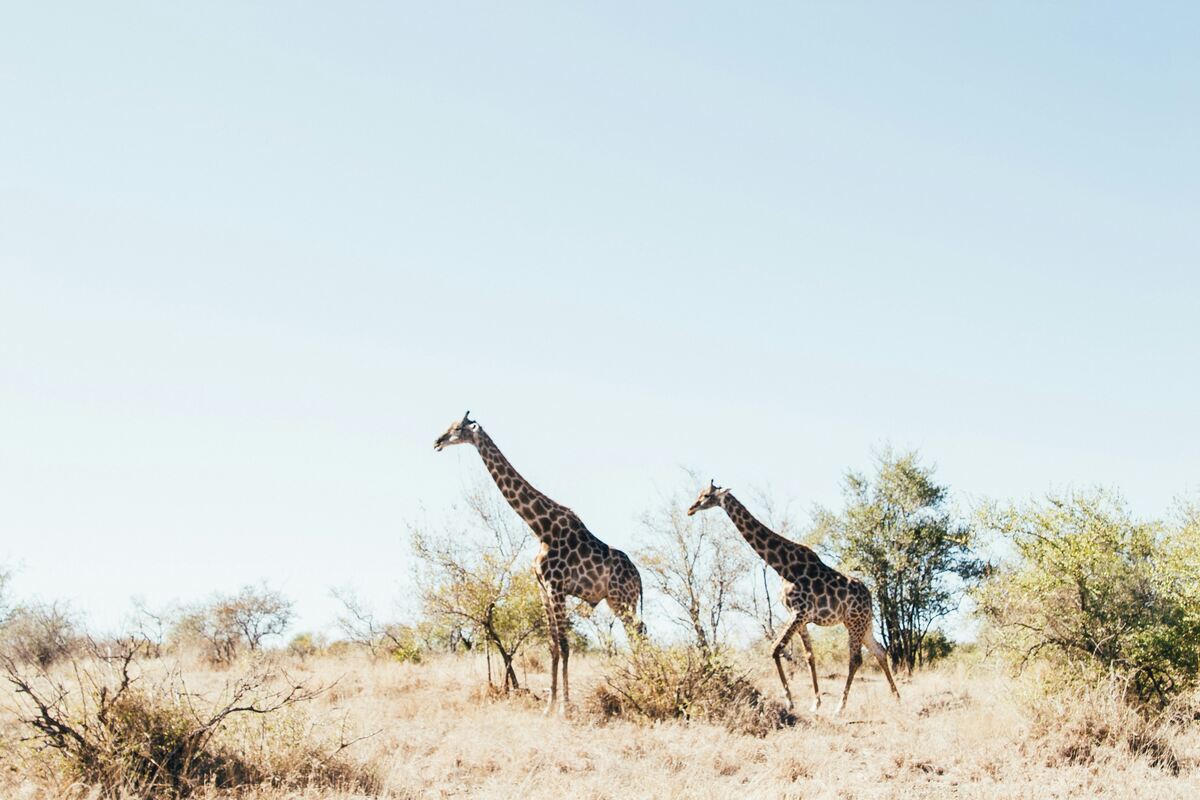
Pemba, in the north, is known for its diving spots and access to the Quirimbas Archipelago. Inland, Gorongosa National Park is a conservation success story, offering safaris and wildlife viewing. Mozambique’s diversity ensures that nomads can balance work with unforgettable adventures, whether exploring historic towns, enjoying water sports, or attending cultural festivals.
Museums And Cultural Heritage
Mozambique’s museums highlight both its history and creativity. The National Art Museum in Maputo showcases contemporary Mozambican art, while the Natural History Museum offers insight into the country’s biodiversity. The Fortress of Maputo, a colonial-era landmark, houses exhibitions on Mozambique’s past.
Smaller local museums across towns preserve folk traditions, crafts, and regional stories. Music and dance are central to Mozambican culture, with marrabenta and timbila performances offering immersive experiences. For nomads, these institutions and cultural expressions provide opportunities to connect with Mozambique’s identity and understand the richness that shapes daily life.
Lifestyle Tips For Nomads
Living in Mozambique as a digital nomad requires a balance of awareness and openness. Café culture is growing, especially in Maputo, where nomads often work from terraces overlooking bustling streets or the ocean. Portuguese is the official language, and while English is spoken in some areas, learning basic Portuguese phrases helps build rapport. The pace of life is slower than in larger African cities, yet Mozambique remains dynamic, with frequent festivals, markets, and cultural events.
Seasonal awareness is important, as Mozambique’s climate is tropical. Summers are hot and humid, while winters are cooler and drier, making them ideal for exploration. Safety is generally good, though nomads should stay mindful of their surroundings, especially in urban areas. Choosing neighborhoods outside tourist-heavy centers provides quieter living while still being close to attractions, and engaging with local communities enriches the experience.
Authenticity And Connection
Mozambique retains a strong sense of tradition despite its growing popularity among travelers. Family-run restaurants, local markets, and village festivals provide authentic glimpses into daily life. For nomads, building connections is part of the journey. Joining coworking spaces or attending networking events is a straightforward way to meet fellow remote workers.
Language exchanges, often hosted in cafés or cultural centers, provide opportunities to practice Portuguese while meeting locals and other expats. Nomads often find community through informal activities, such as joining diving groups in Vilankulo, participating in cooking classes in Maputo, or attending live music nights along the coast.
Social media groups and platforms like Meetup regularly organize gatherings, making it easy to connect. Mozambique is a place where mornings can be spent working in a coworking hub, afternoons wandering through historic sites or natural reserves, and evenings enjoying traditional music or watching the sunset over the Indian Ocean.
Visa Tips For Digital Nomads
Mozambique offers relatively flexible entry policies, though it does not yet have a dedicated digital nomad visa. Many travelers can obtain visas on arrival or apply in advance, with stays typically lasting up to 30 days, extendable in some cases.
For longer stays, Mozambique provides options for temporary residence permits, though requirements vary. Nomads should always check the latest entry requirements before traveling, as rules can change. Keeping documentation of remote work contracts or proof of income is useful, as many residence permits require financial stability.
Using visa-free or short-term visa periods strategically by combining stays in Mozambique with nearby destinations such as South Africa or Tanzania helps maximize time in the region. Exploring residency options is worthwhile if you plan to settle longer-term, as Mozambique offers pathways to residency through work or investment.
Conclusion
Mozambique is positioning itself as one of Africa’s most compelling destinations for digital nomads. With its stunning landscapes, historic towns, and growing coworking scene, it offers a lifestyle that is both practical and inspiring. For those who want to live in a place that combines tradition with modernity, Mozambique provides a compelling home base for remote work and exploration. Its affordability, cultural richness, and diversity of experiences make it a rising star in the nomad world.
Whether you are drawn to the energy of Maputo, the beaches of Vilankulo, the wildlife of Gorongosa, or the surreal beauty of the Bazaruto Archipelago, Mozambique invites you to embrace adventure while maintaining the rhythm of remote work. In a world where nomads seek destinations that balance cost, culture, and community, Mozambique stands ready to welcome the next wave of wanderers with open arms and endless possibilities.