Introduction
South Africa is quietly emerging as one of the most exciting destinations for digital nomads, a place where vibrant cities meet breathtaking landscapes and cultural richness blends seamlessly with modern infrastructure. For years, nomads have flocked to Europe’s Mediterranean hubs or Southeast Asia’s tropical retreats, but South Africa is now stepping into the spotlight.
With its affordability, diverse experiences, and growing coworking scene, the country offers a dreamy balance of adventure and practicality. From the cosmopolitan energy of Cape Town to the wildlife reserves of Kruger, South Africa invites nomads to live, work, and explore in a way that feels both inspiring and sustainable.
Budget And Costs Breakdown
One of the most appealing aspects of South Africa for nomads is its affordability compared to many Western destinations. Renting a one-bedroom apartment in Cape Town or Johannesburg typically costs between $500 and $800 per month, while shared flats or rooms can be found for $300 to $500. Smaller towns and coastal areas may be even cheaper, making long-term stays accessible. Groceries average $30 to $50 per week, especially if you shop at local markets for fresh produce, bread, and meat.
Dining out is affordable, with casual meals costing $8 to $12 and café snacks even less. Coworking spaces are growing across major cities, with memberships ranging from $100 to $200 per month, offering reliable internet and community.
Public transport is inexpensive, though many nomads prefer ride-hailing apps or renting cars for flexibility. A comfortable monthly budget for nomads in South Africa typically falls between $1,000 and $1,400, depending on lifestyle choices, making it a competitive option compared to Europe or North America.
Leisure And Culture Considerations
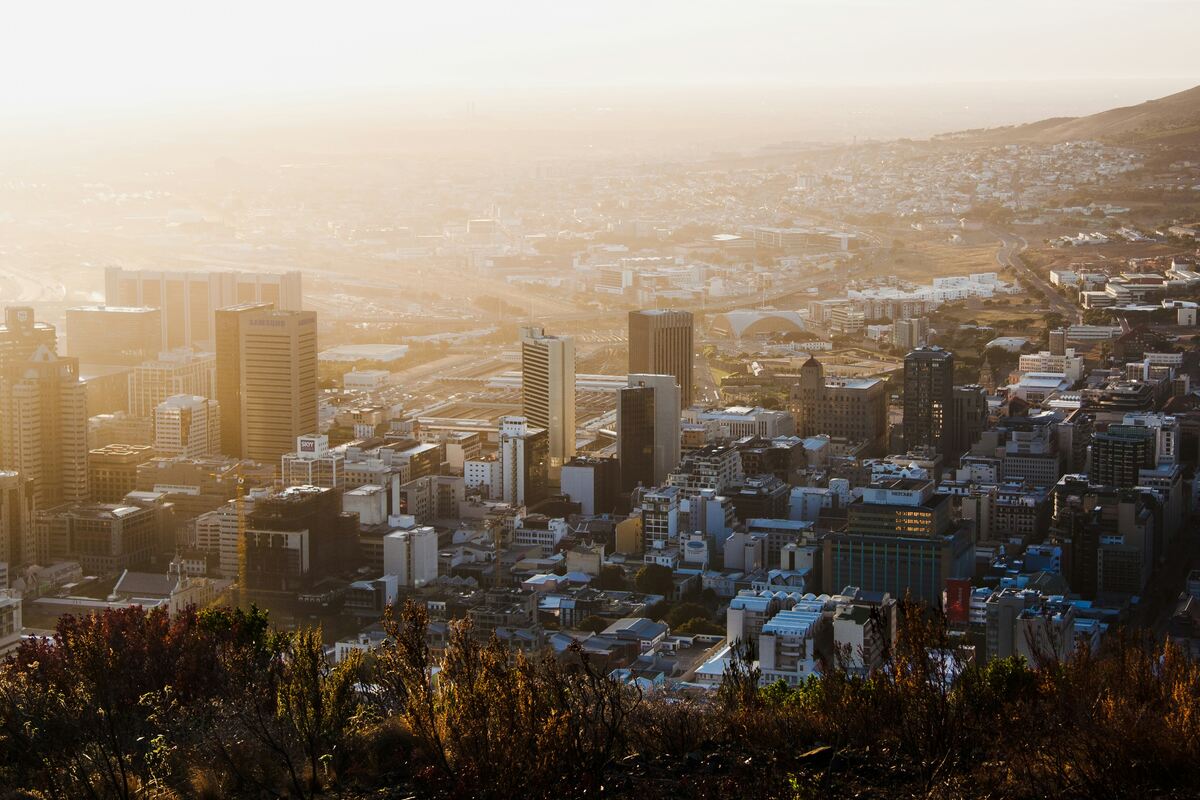
South Africa is a hub for adventure and culture, offering experiences that range from urban exploration to wilderness escapes. Cape Town is a highlight, with Table Mountain providing panoramic views and the V&A Waterfront offering lively dining and entertainment. The Cape Winelands, just outside the city, invite nomads to spend weekends tasting world-class wines in Stellenbosch or Franschhoek.
Johannesburg, the country’s largest city, pulses with energy, art, and history, while Durban offers subtropical beaches and a blend of Indian and African influences. For those seeking nature, Kruger National Park is one of the world’s premier safari destinations, where spotting lions, elephants, and giraffes becomes part of everyday life.
The Garden Route, stretching along the southern coast, is perfect for road trips, with charming towns, forests, and beaches. South Africa’s diversity ensures that nomads can balance work with unforgettable adventures, whether hiking, surfing, or exploring cultural festivals.
Museums And Cultural Heritage
South Africa’s museums provide deep insight into its complex history and vibrant culture. The Apartheid Museum in Johannesburg is a powerful experience, offering a sobering look at the country’s past struggles and triumphs. In Cape Town, the District Six Museum tells the story of communities displaced during apartheid, while Robben Island, where Nelson Mandela was imprisoned, stands as a symbol of resilience and freedom.
The Iziko South African Museum showcases natural history and anthropology, while the Zeitz Museum of Contemporary Art Africa highlights modern creativity across the continent. Smaller local museums and galleries across towns preserve folk traditions, crafts, and regional stories. For nomads, these institutions offer opportunities to connect with South Africa’s identity and understand the cultural richness that shapes daily life.
Lifestyle Tips For Nomads
Living in South Africa as a digital nomad requires a balance of awareness and openness. Café culture is strong, especially in Cape Town, where nomads often work from terraces overlooking the ocean. English is widely spoken, making communication easy, though learning basic phrases in Afrikaans or Zulu can help build rapport. The pace of life varies: Cape Town feels relaxed and coastal, Johannesburg is fast-paced and urban, and smaller towns offer tranquility.
Seasonal awareness is important, as South Africa’s climate varies by region. Summers are warm and lively, while winters are cooler but still pleasant compared to northern climates. Safety is a consideration, and nomads should stay mindful of their surroundings, especially in urban areas, but with common sense and local advice, daily life is comfortable and rewarding. Choosing neighborhoods outside tourist-heavy centers provides quieter living while still being close to attractions, and engaging with local communities enriches the experience.
Authenticity And Connection
South Africa retains a strong sense of tradition despite its growing popularity among travelers. Family-run restaurants, local markets, and township tours provide authentic glimpses into daily life. For nomads, building connections is part of the journey. Joining coworking spaces or attending networking events is a straightforward way to meet fellow remote workers. Language exchanges, often hosted in cafés or cultural centers, provide opportunities to practice local languages while meeting locals and other expats.
Nomads often find community through informal activities, such as joining hiking groups on Table Mountain, participating in surf lessons in Durban, or attending live music nights in Johannesburg. Social media groups and platforms like Meetup or Facebook have regularly organized gatherings, making it easy to connect.
Even casual interactions, whether chatting with neighbors at the market or joining a wine tasting in Stellenbosch, can lead to friendships. South Africa is a place where mornings can be spent working in a coworking hub, afternoons wandering through historic sites or natural reserves, and evenings enjoying traditional music or watching the sunset over the ocean.
Visa Tips For Digital Nomads
South Africa offers relatively flexible entry policies, though it does not yet have a dedicated digital nomad visa. Many travelers can stay for up to 90 days without a visa, depending on nationality. For longer stays, South Africa provides options for temporary residence permits, though requirements vary. EU citizens and many others can enter freely but must follow local rules for extended stays.
Nomads should always check the latest entry requirements before traveling, as rules can change. Keeping documentation of remote work contracts or proof of income is useful, as many residence permits require financial stability. Using visa-free periods strategically by combining stays in South Africa with nearby destinations such as Namibia or Mozambique helps maximize time in the region.
Exploring residency options is worthwhile if you plan to settle longer-term, as South Africa offers pathways to residency through work or investment. Visa planning is an essential part of nomad life, and South Africa’s policies make it an attractive option for extended stays outside the Schengen Zone.
Conclusion
South Africa is positioning itself as one of the most compelling destinations for digital nomads. With its stunning landscapes, historic towns, and growing coworking scene, it offers a lifestyle that is both practical and inspiring. For those who want to live in a place that combines tradition with modernity, South Africa provides a compelling home base for remote work and exploration. Its affordability, cultural richness, and diversity of experiences make it a rising star in the nomad world.
Whether you are drawn to the energy of Cape Town, the history of Johannesburg, the beaches of Durban, or the wilderness of Kruger, South Africa invites you to embrace adventure while maintaining the rhythm of remote work. In a world where nomads seek destinations that balance cost, culture, and community, South Africa stands ready to welcome the next wave of wanderers with open arms and endless possibilities.
Powered by Co-Pilot. Curated & Edited By The Digital Life Tribe.