Introduction
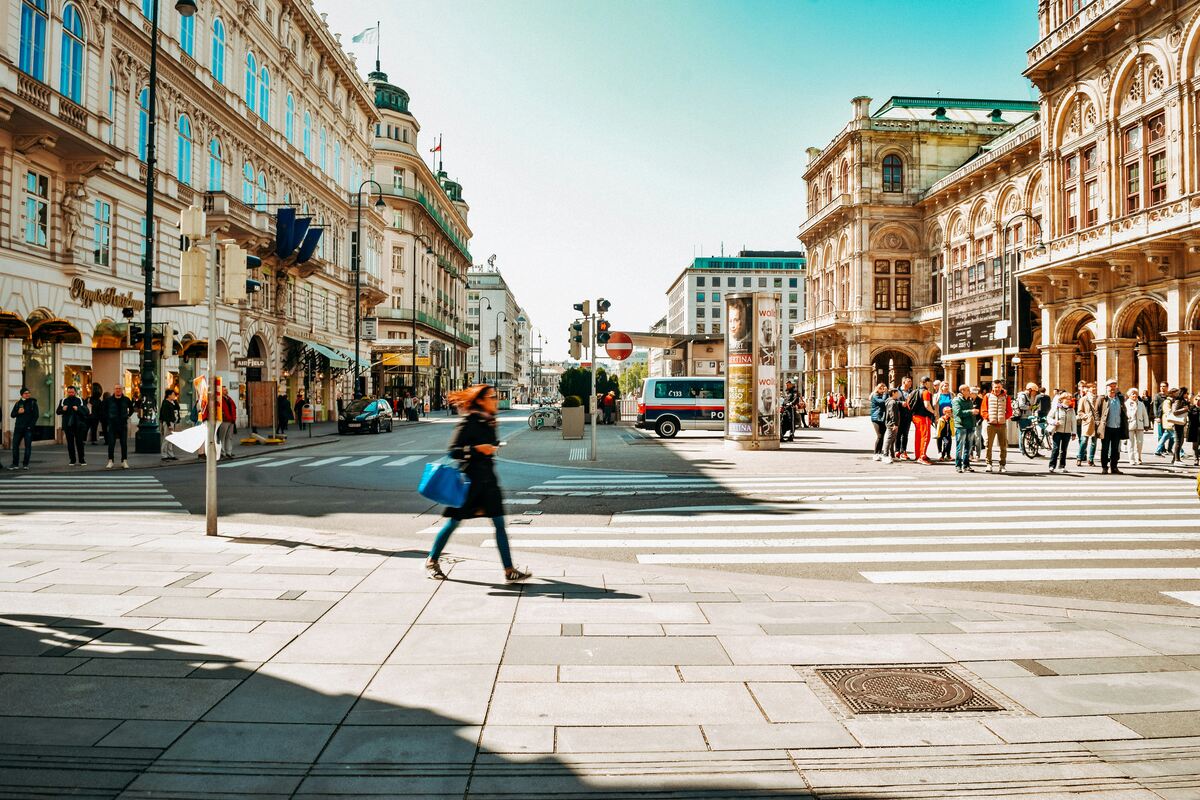
Vienna, Austria’s capital, is often celebrated as one of the most livable cities in the world. Known for its imperial architecture, classical music heritage, and café culture, Vienna offers digital nomads a lifestyle that balances sophistication with practicality.
With reliable infrastructure, a strong international community, and a unique blend of tradition and modernity, Vienna provides both inspiration and convenience for remote workers.
Housing and Essentials
Vienna is more expensive than many Central European cities, but it remains affordable compared to Western capitals like Paris or London. Renting a one-bedroom apartment in neighborhoods such as Leopoldstadt or Neubau typically costs between $1,000 and $1,400 per month, while shared flats or rooms can be found for $600 to $800.
Groceries average $60 to $80 per week, especially if you shop at local markets like Naschmarkt for fresh produce, bread, and cheese. Dining out is accessible, with traditional Austrian meals costing $12 to $20, and café snacks even less.
Work and Leisure Costs
Coworking spaces are abundant in Vienna, with memberships ranging from $150 to $250 per month. Internet is fast and reliable, and mobile data packages cost around $20. Public transport is efficient and highly rated, with metro, tram, and bus passes available for about $55 monthly.
Leisure activities add variety: museum entry fees are usually under $15, concerts or opera tickets range from $30 to $100, and weekend excursions to nearby towns or the Alps are affordable. A comfortable monthly budget for nomads in Vienna typically falls between $1,600 and $2,200, depending on lifestyle choices.
Attractions and Activities
Vienna is rich in experiences that blend history and modern life. The Schönbrunn Palace and Hofburg Palace showcase imperial grandeur, while St. Stephen’s Cathedral dominates the city center. The Belvedere Museum houses masterpieces including Gustav Klimt’s The Kiss.
For relaxation, the Prater offers green space and the iconic Ferris wheel, while the Danube Island provides cycling and water activities. Day trips to the Wachau Valley or Salzburg offer easy escapes into Austria’s countryside and culture.
Museums and Cultural Heritage
Vienna’s museums highlight both its history and creativity. The Kunsthistorisches Museum showcases classical art, while the Albertina houses one of the world’s largest collections of graphic art. The Leopold Museum focuses on Austrian modernism, including works by Egon Schiele.
The Haus der Musik offers interactive exhibits on Vienna’s musical heritage, and smaller galleries across the city highlight contemporary talent. These institutions provide opportunities to deepen understanding of Austria’s cultural richness.
Lifestyle Tips for Nomads
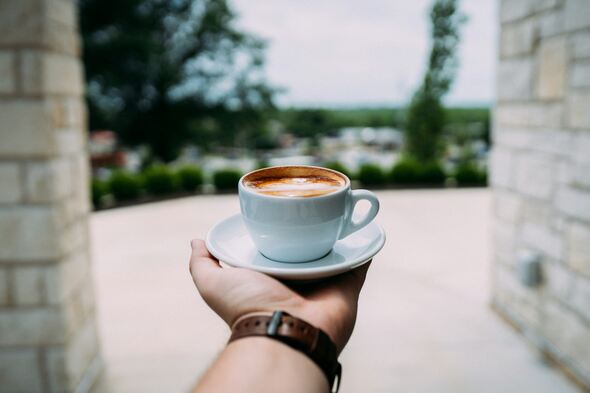
Vienna encourages a lifestyle that balances productivity with leisure. Café culture is strong, and many nomads work from historic coffeehouses while enjoying the city’s refined atmosphere. English is widely spoken, but learning basic German phrases helps build rapport. The pace of life is relaxed yet dynamic, with frequent festivals, concerts, and cultural events.
Seasonal awareness is important: summers are warm and lively, while spring and autumn provide mild weather and fewer tourists. Winters are colder, but cozy cafés, Christmas markets, and classical concerts make the season enjoyable. Choosing neighborhoods outside tourist-heavy areas, such as Wieden or Ottakring, provides quieter living while still being close to attractions.
Authenticity and Connection
Vienna retains a strong sense of tradition despite its popularity. Family-run restaurants, local markets, and neighborhood festivals are central to daily life. For nomads, building connections is part of the experience. Joining coworking spaces or attending networking events is a straightforward way to meet fellow remote workers. Language exchanges, often hosted in cafés or libraries, provide opportunities to practice German while meeting locals and other expats.
Nomads often find community through informal activities: joining walking tours, participating in wine tastings, or attending live music nights. Social media groups and platforms like Meetup or Internations regularly organize gatherings, making it easy to connect.
Vienna is a city where mornings can be spent working in a coworking hub, afternoons exploring historic streets or museums, and evenings enjoying classical concerts or watching the sunset from the Prater.
Visa Tips for Digital Nomads
Austria is part of the Schengen Zone, meaning many travelers can stay for up to 90 days within a 180-day period without a visa. For longer stays, Austria offers long-stay visas and residency permits, though it does not yet have a dedicated digital nomad visa.
EU citizens can live and work freely without restrictions.Visa planning is an essential part of nomad life, and Austria’s policies make Vienna an attractive option for extended stays.
Conclusion
Vienna is positioning itself as one of Central Europe’s premier destinations for digital nomads. With its imperial architecture, historic neighborhoods, and thriving coworking scene, it offers a lifestyle that is both practical and inspiring.
For those who want to live in a city that combines tradition with modernity, Vienna provides a compelling home base for remote work and exploration.
Powered by Co-Pilot. Curated & Edited By The Digital Life Tribe.