Introduction
Lisbon has become one of Europe’s most popular destinations for digital nomads, blending historic charm with modern convenience. The Portuguese capital offers a lively cultural scene, reliable infrastructure, and a climate that makes outdoor living possible almost year-round.
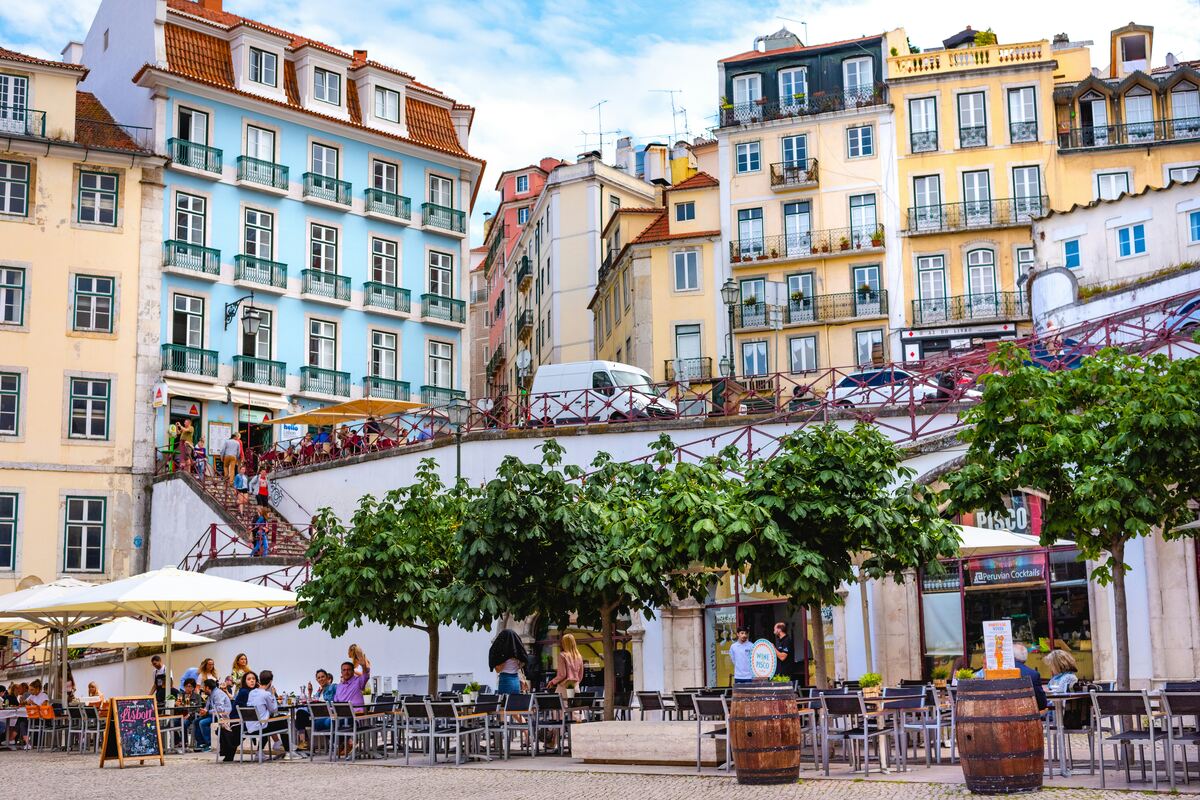
With its pastel-colored buildings, tiled streets, and proximity to the Atlantic, Lisbon provides an inspiring backdrop for remote work and exploration.
Housing And Essentials
Living in Lisbon is more expensive than in many Eastern European or Balkan destinations, but it remains affordable compared to other Western capitals. Renting a small apartment in neighborhoods like Graça or Alcântara typically costs between one thousand and twelve hundred dollars per month, while shared flats can reduce expenses to around seven hundred.
Groceries are reasonably priced, with weekly trips averaging fifty to sixty dollars for fresh produce, bread, and essentials. Dining out adds variety, and casual meals often cost ten to fifteen dollars, meaning a few outings each week can total around two hundred dollars monthly.
Work And Leisure Costs
Coworking spaces are abundant, with memberships ranging from one hundred fifty to two hundred fifty dollars per month depending on location and amenities. Internet is fast and reliable, while mobile data packages cost about twenty dollars. Transportation is efficient, with metro and tram passes available for around forty dollars monthly, and occasional rideshares or taxis adding flexibility.
Leisure activities contribute to the budget as well: museum entry fees are usually under ten dollars, evenings spent listening to fado music or enjoying rooftop bars might add one hundred dollars, and weekend trips to nearby towns or beaches can be managed affordably. Altogether, a nomad living comfortably in Lisbon can expect to spend between fifteen hundred and two thousand dollars per month, depending on lifestyle choices.
Attractions And Activities
Lisbon offers a wealth of experiences for those who enjoy exploring. The city’s historic neighborhoods, such as Alfama and Bairro Alto, are filled with winding streets, tiled facades, and viewpoints overlooking the Tagus River. The iconic tram 28 provides a scenic ride through many of these districts. For those seeking cultural immersion, the Belém district offers landmarks like the Jerónimos Monastery and the Tower of Belém, both UNESCO World Heritage Sites.
Beyond the city, day trips are easy and rewarding. Sintra, with its fairy-tale palaces and lush hills, is only a short train ride away. Cascais and Estoril provide seaside escapes, while the beaches of Costa da Caparica are perfect for surfing or relaxing. Lisbon’s location makes it a gateway to Portugal’s diverse landscapes, from the Douro Valley’s vineyards to the Algarve’s dramatic coastline.
Museums And Cultural Heritage
Lisbon’s museums reflect its rich history and artistic traditions. The Museu Nacional de Arte Antiga houses Portugal’s most important collection of classical art, while the Calouste Gulbenkian Museum offers an impressive range of works from across the globe.
The Museu do Fado celebrates the city’s iconic music genre, and the MAAT (Museum of Art, Architecture and Technology) combines contemporary exhibitions with striking architecture along the riverfront. These institutions provide insight into Lisbon’s identity as both a historic and forward-looking city.
Lifestyle Tips For Nomads
For digital nomads, Lisbon offers a lifestyle that balances productivity with leisure. The city’s café culture is strong, and many nomads find themselves working from terraces while enjoying the mild climate. English is widely spoken, though learning a few Portuguese phrases helps build connections with locals. The pace of life is relaxed compared to other capitals, yet Lisbon remains dynamic, with frequent cultural events, markets, and festivals.
Seasonal awareness is important: summers can be hot and crowded, particularly in tourist areas, while spring and autumn provide ideal weather and fewer visitors. Winter is mild, though rain is more frequent. Choosing neighborhoods slightly outside the historic center, such as Campo de Ourique or Arroios, can provide quieter living while still being close to the city’s attractions.
Authenticity And Connection
Lisbon’s appeal lies not only in its beauty but also in its atmosphere. The city retains a sense of authenticity despite its growing popularity among travelers and nomads. Traditional markets, family-run restaurants, and local festivals coexist with modern coworking spaces and international communities. For nomads, building connections is part of the experience. Joining coworking spaces or attending meetups organized through platforms like Meetup or Internations is a straightforward way to meet fellow remote workers.
Language exchanges, often hosted in cafés or bars, provide opportunities to practice Portuguese while meeting locals and other expats. Volunteering at community events or cultural festivals can also foster deeper ties. Even casual interactions—sharing a table at a miradouro, chatting with neighbors at the market, or joining a surf class in Costa da Caparica—can lead to friendships.
Lisbon is a place where mornings can be spent working in a sunlit café, afternoons wandering through historic streets or along the river, and evenings listening to fado or watching the sunset from a viewpoint. The balance between work, leisure, and community is natural here, and the sense of belonging grows the longer you stay.
Conclusion
Lisbon has established itself as one of Europe’s premier destinations for digital nomads. With its balance of affordability, cultural richness, and modern infrastructure, it offers a lifestyle that is both practical and inspiring.
For those seeking a city that combines history, creativity, and community, Lisbon provides a compelling home base for remote work and exploration.
Powered by Co-Pilot. Curated & Edited By The Digital Life Tribe.